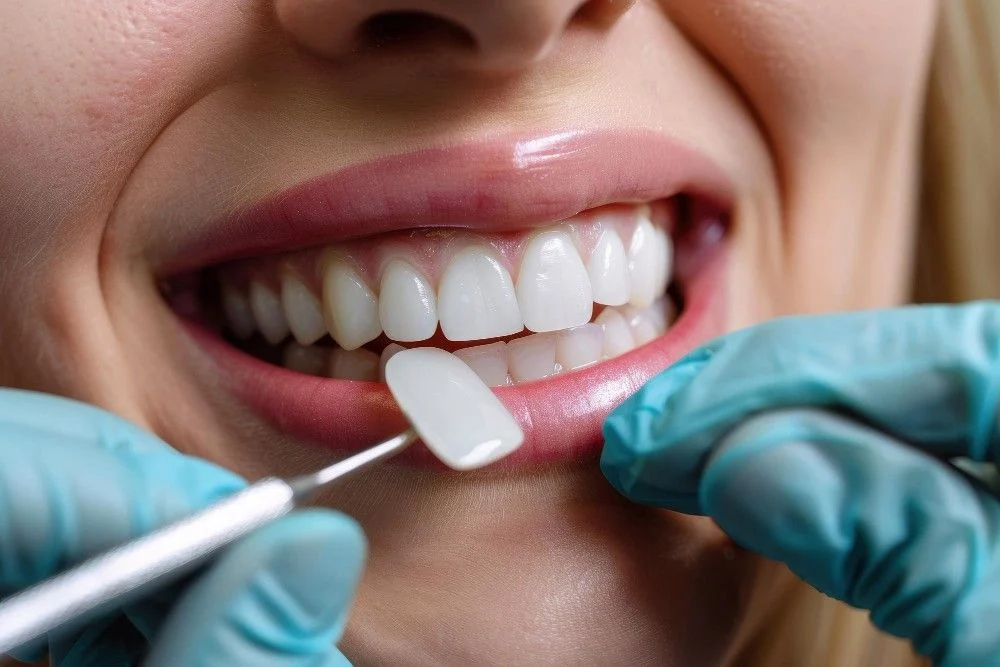
Veneer Aftercare: How to Make Your Veneers Last for Years
A new set of veneers can transform the way you smile, speak and feel about yourself. But the result you see on the day your treatment is finished is only the beginning. Good veneer aftercare is what decides whether your smile still looks fresh and natural many years later, or whether you face early chips, stains and gum problems. In this guide, the team at Dentaverse Turkey in Izmir explains how to care for both porcelain and composite veneers in everyday life, which habits to avoid, and what to do if something goes wrong.
Porcelain vs Composite Veneers: Why Aftercare Differs
Not all veneers behave the same way, so it helps to know which type you have before planning your routine.
- Porcelain (ceramic) veneers: Made in a dental laboratory from high-strength ceramics such as lithium disilicate. They are very resistant to staining and keep their gloss for a long time, but ceramic can chip or crack if exposed to strong, sudden forces.
- Composite veneers: Built up directly on the tooth from tooth-coloured resin. They are easier to repair and adjust, but the surface is softer and more porous, so it may pick up stains and lose its shine more quickly without polishing.
With careful home care and regular professional check-ups, porcelain veneers often last well over a decade, while composite veneers usually need polishing or repairs more frequently. Your individual result depends on your bite, habits and oral hygiene, so ask your dentist what is realistic in your case.
The First Days After Getting Veneers
Right after placement, your teeth and gums need a short period to settle. Mild sensitivity to cold or slight tenderness of the gums is common and normally fades within a few days. During this time:
- Choose softer foods: Give your bite time to adjust and avoid very hard or sticky foods.
- Watch your bite: If your teeth feel high or uneven when you close, contact your dentist. A small adjustment can prevent overloading a veneer.
- Keep cleaning: Brush and clean between the teeth gently but thoroughly from the first day. Plaque around fresh margins can irritate the gums.
Daily Cleaning Routine for Veneers
Veneers themselves cannot decay, but the natural tooth underneath and the gum line around them can. The most important part of veneer aftercare is therefore a consistent cleaning routine.
- Soft toothbrush: Brush twice a day for two minutes with a soft or electric toothbrush, angled towards the gum line.
- Non-abrasive toothpaste: Use a fluoride toothpaste with low abrasiveness. Highly abrasive whitening pastes and charcoal products can dull composite and scratch glazed surfaces over time.
- Floss or interdental brushes: Clean between the teeth every day. This protects the edges of the veneers, where plaque tends to collect.
- Alcohol-free mouthwash: If you use a mouthwash, an alcohol-free type is generally gentler, especially for composite.
Foods and Habits to Avoid
Veneers are strong, but they are not designed to be tools. Most damage happens because of a single moment of excessive force rather than everyday eating.
- Biting hard objects: Avoid chewing ice, pens, fingernails, hard candies or bones.
- Using teeth as tools: Never open packages or bottles with your teeth.
- Biting directly into very hard foods: Cut apples, crusty bread or raw carrots into smaller pieces and chew them with your back teeth.
- Smoking: Tobacco can stain composite and the margins of veneers, and it harms gum health.
- Contact sports without protection: Wear a custom sports mouthguard if you play contact sports.
Staining: What Discolours Veneers and How to Prevent It
Porcelain is highly stain-resistant, but composite and the cement line at the edges can absorb pigments. Coffee, black tea, red wine, cola, curry and berries are common culprits. You do not need to give these up completely; simply rinse with water after drinking or eating them, use a straw for dark drinks when practical, and keep up regular professional cleanings. Remember that whitening gels do not change the colour of veneers. If you plan to whiten your natural teeth, do it before your veneers are made so the shades match.
Night Guards and Teeth Grinding
Grinding or clenching your teeth, known as bruxism, is one of the main reasons veneers chip or loosen. Many people grind at night without realising it. Signs include morning jaw tiredness, headaches, worn tooth edges or a partner hearing grinding sounds. If your dentist notices signs of bruxism, they may recommend a custom-made night guard. This thin, removable appliance spreads the forces and protects both your veneers and your natural teeth. Clean it daily and bring it to your check-ups so its fit can be checked.
Regular Check-Ups and Professional Cleaning
Visit your dentist and hygienist regularly, usually every six months unless advised otherwise. During these appointments the dentist can check the margins of the veneers, the health of the gums and your bite, while the hygienist removes tartar with instruments suitable for restorations. Composite veneers can be polished to restore their shine. If you had your veneers made abroad, ask for a copy of your treatment records so that your local dentist knows what materials were used.
What to Do If a Veneer Chips or Comes Off
Even with good care, accidents can happen. Stay calm and act sensibly:
- Keep the pieces: If a veneer comes off in one piece, store it in a small container and bring it to your dentist. It can sometimes be re-bonded.
- Avoid home glue: Never use household adhesives, as they can damage the tooth and the veneer.
- Protect the area: Avoid chewing on that side and be careful with hot or cold drinks if the tooth is sensitive.
- Book an appointment: Small chips in composite can often be repaired directly; a cracked porcelain veneer usually needs to be replaced.
FAQ
How long do veneers last?
With proper veneer aftercare, porcelain veneers commonly last many years, often more than a decade, while composite veneers generally need maintenance sooner. Habits, bite and hygiene make a big difference.
Can I whiten my veneers?
No. Bleaching does not change the colour of porcelain or composite. Surface stains can be removed by professional polishing; a significant colour change requires new veneers.
Can I eat normally with veneers?
Yes, you can enjoy a normal diet. Simply avoid biting very hard objects with your front teeth and cut hard foods into smaller pieces.
Do I need a night guard?
Only if you grind or clench your teeth. Your dentist can assess the signs and advise you.
Plan Your Veneers with Dentaverse Turkey in Izmir
Long-lasting veneers start with careful planning, quality materials and a clear aftercare plan. At Dentaverse Turkey in Izmir, we explain how to look after your new smile and what to watch for once you return home. Contact us today for a free consultation and a personalised treatment plan, and let us help you enjoy your veneers for many years to come.