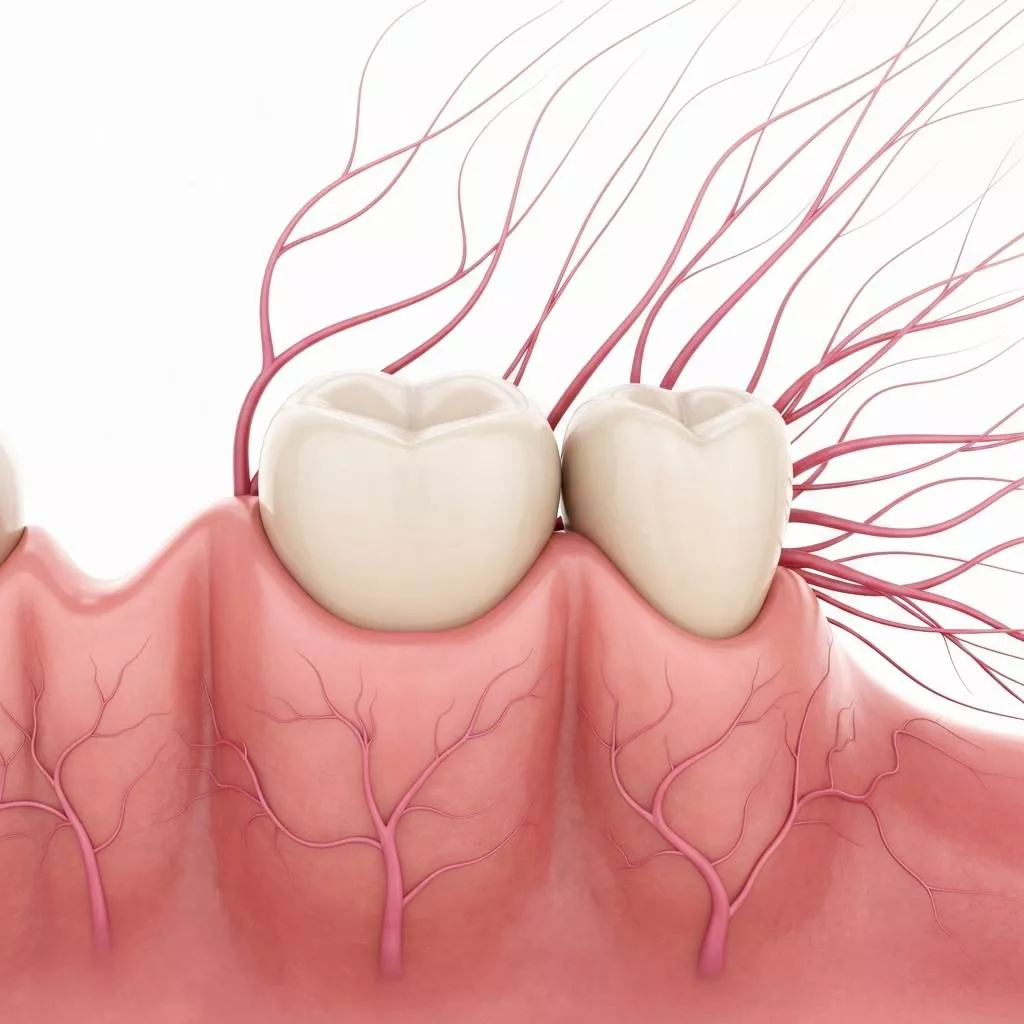
How Your Oral Health Affects Your Entire Body: What You Need to Know
For many, the mouth seems like a distinct, isolated part of the body. We might consider brushing and flossing as purely cosmetic or confined to preventing cavities and bad breath. However, this perspective couldn't be further from the truth. Your oral health is a powerful indicator and influencer of your overall systemic health, intricately linked to the well-being of your entire body. Ignoring the health of your teeth and gums can have far-reaching consequences, impacting everything from your heart to your brain. It's time to understand why your oral hygiene routine is a vital part of your holistic health strategy.
The Interconnectedness of Oral and Systemic Health
The mouth is a gateway to your body. It's teeming with bacteria – some harmless, some beneficial, and some potentially harmful. When oral hygiene practices are neglected, these harmful bacteria can multiply, leading to infections like gingivitis and periodontitis (gum disease). The key mechanism linking oral health to systemic health involves these bacteria and the inflammatory response they trigger. Bacteria from the mouth can enter the bloodstream through diseased gums, traveling to various parts of the body and initiating or exacerbating inflammatory processes elsewhere.
Chronic inflammation, often stemming from conditions like advanced gum disease, is now recognized as a significant contributing factor to numerous systemic diseases. It's not just about bacteria; it's about the body's persistent immune response, which, over time, can damage tissues and organs throughout the body.
Understanding Gum Disease: More Than Just a Sore Mouth
Gum disease, or periodontal disease, is a progressive inflammatory condition affecting the tissues surrounding your teeth. It typically begins as gingivitis, a milder form characterized by red, swollen, and bleeding gums. If left untreated, gingivitis can advance to periodontitis, where the inner layer of the gum and bone pull away from the teeth, forming pockets that become infected. This process can lead to bone loss, receding gums, and eventually, tooth loss. What makes gum disease particularly insidious is that it often progresses without significant pain, making it easy to overlook until it reaches advanced stages.
Specific Systemic Health Conditions Linked to Poor Oral Health
The evidence linking oral health to broader health concerns is robust and continues to grow. Here are some of the most significant connections:
Cardiovascular Disease (Heart Disease & Stroke)
One of the most well-documented links is between gum disease and cardiovascular issues, including heart attacks and strokes. The theory suggests that oral bacteria, particularly those involved in periodontitis, can enter the bloodstream through inflamed gums. Once in the arteries, these bacteria can contribute to the formation of plaque, leading to atherosclerosis – a hardening and narrowing of the arteries. This can increase the risk of blood clots, heart attacks, and strokes. Furthermore, the chronic inflammation associated with gum disease is a risk factor for cardiovascular disease itself.
Diabetes
The relationship between diabetes and gum disease is bidirectional and complex. People with diabetes are more susceptible to infections, including gum disease, due to impaired immune function and higher blood sugar levels which foster bacterial growth. Conversely, severe gum disease can make it more challenging for individuals to control their blood sugar levels. The inflammation caused by periodontitis can increase insulin resistance, making it harder for the body to utilize insulin effectively and potentially worsening diabetic complications.
Respiratory Infections
Bacteria present in the mouth can be inhaled into the lungs, particularly in individuals with poor oral hygiene. This can lead to various respiratory problems, including pneumonia, bronchitis, and chronic obstructive pulmonary disease (COPD). This risk is particularly elevated in older adults, individuals with compromised immune systems, and those in hospitals or nursing homes, where maintaining oral hygiene can be a challenge.
Pregnancy Complications
Research indicates a significant association between periodontal disease in pregnant women and adverse pregnancy outcomes, such as premature birth and low birth weight. The inflammation and bacterial toxins from gum disease can enter the bloodstream, potentially stimulating contractions or impacting fetal development. Maintaining excellent oral health is crucial for expectant mothers to ensure both their health and the health of their baby.
Alzheimer's Disease and Dementia
Emerging research suggests a potential link between chronic gum disease and an increased risk of Alzheimer's disease and other forms of dementia. Studies have identified bacteria associated with periodontitis, specifically Porphyromonas gingivalis, in the brains of individuals with Alzheimer's. These bacteria, and the inflammatory response they provoke, are believed to play a role in the neurological damage characteristic of the disease. While more research is needed, this connection highlights the broad impact of oral health.
Other Potential Links
Poor oral health has also been tentatively linked to other systemic conditions, including certain types of cancer (such as pancreatic and kidney cancer), rheumatoid arthritis, and osteoporosis. The underlying theme in many of these connections is often chronic inflammation and the systemic spread of bacteria or their byproducts.
Recognizing the Signs of Poor Oral Health
Being proactive about your oral health starts with recognizing potential problems. Don't wait for pain to prompt action. Be vigilant for these common signs:
- Bleeding gums when brushing or flossing
- Red, swollen, or tender gums
- Persistent bad breath (halitosis)
- Receding gums, making teeth appear longer
- Loose or shifting teeth
- Pain when chewing or biting
- Changes in the way your teeth fit together when you bite
- Pus between your teeth and gums
Taking Control: Steps Towards Optimal Oral and Systemic Health
The good news is that many of these systemic risks can be mitigated by maintaining excellent oral hygiene. Prioritizing your dental health is an investment in your overall well-being. Here are essential steps you can take:
- Brush Your Teeth Twice Daily: Use a fluoride toothpaste and brush for at least two minutes each time. Be thorough but gentle.
- Floss Daily: Flossing removes food particles and plaque from between your teeth and under the gumline, areas your toothbrush can't reach.
- Regular Dental Check-ups and Professional Cleanings: Visit your dentist at least once a year, or more frequently if recommended. Professional cleanings remove tartar (hardened plaque) that brushing and flossing can't, and your dentist can detect problems early.
- Maintain a Balanced Diet: Limit sugary foods and drinks, which contribute to tooth decay and gum disease. Emphasize fruits, vegetables, and whole grains.
- Avoid Tobacco Products: Smoking and chewing tobacco are major risk factors for gum disease, oral cancer, and other health issues.
- Manage Systemic Health Conditions: If you have diabetes or other chronic conditions, work with your healthcare provider to manage them effectively, as this also benefits your oral health.
- Stay Hydrated: Drinking plenty of water helps wash away food particles and bacteria, and promotes saliva production, which is crucial for neutralizing acids.
Your mouth is not an isolated entity; it is an integral part of your body's complex system. Neglecting your oral health can create a cascade of problems that extend far beyond a simple toothache. By understanding the profound connection between your oral health and your overall well-being, you can take proactive steps to safeguard both. Prioritize your dental care, and you'll be making a significant investment in a healthier, happier life for your entire body.