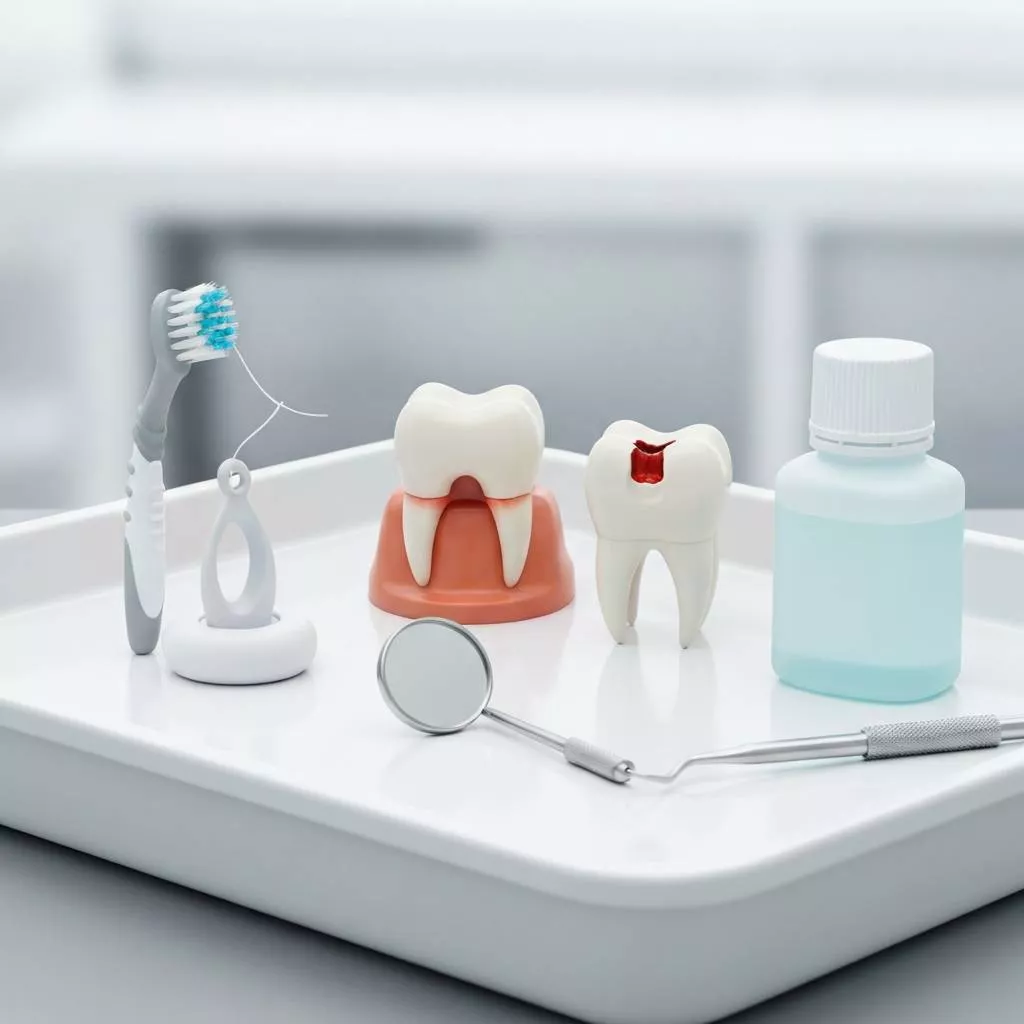
7 Frequently Asked Questions about Oral and Dental Health: Expert Answers
Maintaining optimal oral and dental health is crucial for overall well-being, yet many people have persistent questions and misconceptions. From daily routines to recognizing serious issues, navigating the world of dental care can be overwhelming. To help you achieve a healthier smile and make informed decisions, we've compiled seven of the most frequently asked questions about oral and dental health, answered by our experts. Let's dive into the insights that will empower you to take better care of your teeth and gums.
1. How Often Should I Brush My Teeth and Floss?
This is perhaps the most fundamental question, and the answer is consistently clear: brush your teeth at least twice a day for two minutes each time, and floss at least once a day. Brushing removes food particles and plaque from tooth surfaces, while flossing reaches between teeth and under the gum line where toothbrushes can't. Neglecting either can lead to plaque buildup, cavities, gum inflammation, and eventually more serious periodontal disease. Consider brushing once in the morning and once before bed to maximize protection against overnight bacterial activity and ensure comprehensive oral hygiene.
2. What's the Best Type of Toothbrush and Toothpaste to Use?
Choosing the right tools is vital for effective oral care. For toothbrushes, dentists generally recommend soft-bristled toothbrushes to prevent gum irritation and enamel abrasion. Both manual and electric toothbrushes are effective, but electric toothbrushes, especially those with oscillating or sonic technology, can often provide a more thorough clean, particularly for individuals with limited dexterity or those who struggle with proper brushing technique. As for toothpaste, look for one that contains fluoride. Fluoride strengthens tooth enamel, making it more resistant to acid attacks from bacteria, thereby helping to prevent cavities. Beyond fluoride, select a toothpaste that addresses your specific concerns, such as sensitivity, gum health, or whitening, but always ensure it has the ADA (American Dental Association) or equivalent local dental association's seal of approval, indicating it meets specific safety and efficacy standards.
3. How Often Should I Visit the Dentist for Check-ups and Cleanings?
For most individuals, the recommendation is to visit the dentist for a professional check-up and cleaning every six months. These regular appointments are more than just about polishing your teeth; they allow your dentist to:
- Detect early signs of cavities: Catching them before they become painful or require extensive treatment, saving you discomfort and cost.
- Identify gum disease: When it's most treatable and reversible, preventing progression to more severe forms.
- Screen for oral cancer: A crucial step, especially for those at higher risk due to lifestyle factors.
- Remove stubborn plaque and tartar: Which cannot be removed by daily brushing and flossing alone, reducing the risk of cavities and gum inflammation.
- Provide personalized advice: On your oral hygiene routine, diet, and any specific concerns.
Your dentist can also provide personalized advice on your oral hygiene routine and diet.
4. What Causes Bad Breath (Halitosis) and How Can I Prevent It?
Bad breath, or halitosis, is a common and often embarrassing problem. The vast majority of cases originate in the mouth. Common causes include:
- Poor oral hygiene: Food particles lingering in the mouth and on the tongue provide a breeding ground for bacteria that produce foul-smelling gases.
- Gum disease: Bacteria associated with gum disease also contribute significantly to bad breath due to toxins they release.
- Dry mouth: Saliva helps clean the mouth by washing away food particles and bacteria; a lack of it can lead to bad breath.
- Certain foods: Garlic, onions, and spicy foods contain sulfur compounds that can enter the bloodstream and be exhaled.
- Tobacco products: Smoking and chewing tobacco are major culprits, leaving a distinct odor and contributing to oral health problems.
To prevent it, maintain rigorous oral hygiene (brushing, flossing, tongue scraping), drink plenty of water, avoid tobacco, and consider sugar-free gum or mints to stimulate saliva flow. If the problem persists despite good oral care, consult your dentist, as it could be a sign of an underlying medical condition.
5. Are Electric Toothbrushes Really Better Than Manual Ones?
While both manual and electric toothbrushes can effectively clean teeth when used correctly, many studies suggest electric toothbrushes offer advantages for most users. Electric toothbrushes, particularly those with oscillating-rotating or sonic technology, often remove significantly more plaque and reduce gingivitis more effectively than manual brushes. They come with beneficial features like built-in two-minute timers to ensure adequate brushing time, pressure sensors to prevent over-brushing that can damage gums and enamel, and various cleaning modes for different needs. For individuals with dexterity issues, those wearing braces, or simply those seeking a superior clean with less effort and more consistency, an electric toothbrush is often the recommended choice. However, the most important factor remains consistent and proper brushing technique, regardless of the brush type you choose.
6. What are the Warning Signs of Gum Disease?
Gum disease, or periodontal disease, is a serious condition that can lead to tooth loss if left untreated. It often progresses painlessly in its early stages, so recognizing the subtle warning signs is crucial:
- Red, swollen, or tender gums: Healthy gums are typically firm and pink. Inflammation is a key indicator.
- Bleeding gums: Especially when brushing or flossing, which is never normal for healthy gums.
- Receding gums: Gums pulling away from the teeth, making teeth look longer than usual.
- Persistent bad breath: As mentioned, bacteria causing gum disease produce foul odors.
- Pus between teeth and gums: A clear sign of infection.
- Loose or shifting teeth: In advanced stages, indicating significant bone loss around the teeth.
- Changes in the way your teeth fit together when you bite: Also a sign of advanced disease affecting the stability of your teeth.
If you notice any of these symptoms, seek professional dental care immediately. Early intervention is key to managing and often reversing gum disease.
7. Is Teeth Whitening Safe, and What Are My Options?
Teeth whitening is generally considered safe when performed under the supervision or guidance of a dental professional. However, misuse or overuse of some over-the-counter products can lead to temporary tooth sensitivity and gum irritation. Your primary options for teeth whitening include:
- In-office professional whitening: This is the fastest and most effective method, using high-concentration bleaching gels activated by a specialized light or laser. Results are immediate and often dramatic, achieved in a single visit.
- At-home custom trays: Your dentist creates custom-fitted trays that perfectly match your teeth. You then fill these trays with a professional-grade whitening gel and wear them for a specified period daily. This method offers excellent, gradual results over 1-2 weeks.
- Over-the-counter products: These include whitening strips, toothpaste, and rinses. They contain lower concentrations of bleaching agents and typically provide more subtle results, if any, and require consistent use over longer periods.
Before starting any whitening treatment, consult your dentist to ensure it's suitable for your specific oral health condition and to discuss potential side effects and expected outcomes, especially if you have sensitive teeth or existing dental work.
Understanding these common questions and their expert answers is your first step towards a lifetime of excellent oral health. Remember, your diligent oral hygiene routine at home, combined with regular professional dental check-ups, forms the cornerstone of a healthy and radiant smile. Don't hesitate to consult your dentist for personalized advice and to address any specific concerns you might have. Your smile is worth investing in!