Bad breath, medically known as halitosis, is a common and often embarrassing condition that affects millions of people worldwide. While occasional bad breath can result from eating certain foods, persistent halitosis can significantly impact an individual's confidence, social interactions, and overall quality of life. At Dentaverse Turkey, your trusted dental clinic in İzmir, we understand the complexities of bad breath and offer comprehensive solutions to help you regain fresh breath and a healthy smile.
Understanding Halitosis: What Exactly Is Bad Breath?
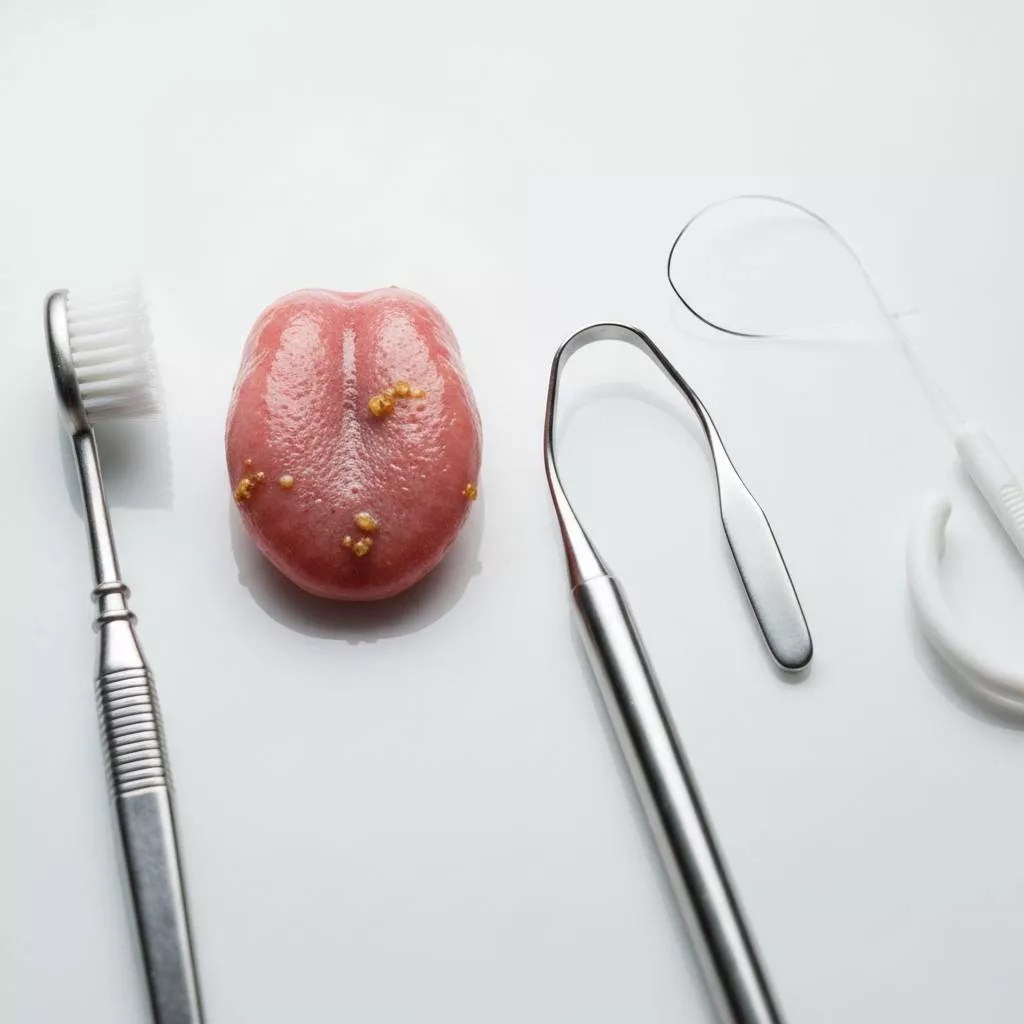
Halitosis is characterized by an unpleasant odor emanating from the mouth. It's more than just morning breath or the temporary smell after consuming garlic; it's a chronic condition that doesn't go away with simple brushing. The primary culprits behind bad breath are usually volatile sulfur compounds (VSCs), produced by bacteria thriving in the mouth. These bacteria typically reside on the back of the tongue, between teeth, and under the gums, breaking down food particles and proteins.
Common Causes of Bad Breath (Halitosis)
Identifying the root cause of halitosis is the first step toward effective treatment. Bad breath can stem from a variety of sources, both oral and non-oral.
Oral Hygiene Issues
The most common cause of bad breath is poor oral hygiene. If you don't brush and floss regularly, food particles remain in your mouth, collecting bacteria and releasing foul-smelling gases. Inadequate cleaning of the tongue, where many bacteria reside, also contributes significantly to halitosis. Furthermore, old or worn-out fillings and crowns can create traps for food particles and bacteria, exacerbating the problem.
Food and Drinks
What you eat directly affects your breath. Foods like garlic, onions, coffee, and certain spices are absorbed into your bloodstream after digestion, reaching your lungs and causing an odor to be released when you exhale. While temporary, the effect can last for hours.
Dry Mouth (Xerostomia)
Saliva plays a crucial role in cleansing the mouth, washing away food particles and bacteria. When saliva production decreases, a condition known as dry mouth or xerostomia, food debris and bacteria can accumulate, leading to bad breath. Dry mouth can be caused by certain medications, breathing through the mouth, salivary gland problems, or simply not drinking enough water.
Tobacco Products
Smoking and using other tobacco products instantly give you bad breath. Beyond the characteristic tobacco odor, they also increase the risk of gum disease and reduce your ability to taste, both of which can contribute to chronic halitosis.
Medical Conditions
Sometimes, bad breath can be a symptom of a more serious underlying medical condition. These include:
- Dental Problems: Gum disease (periodontitis), cavities, abscesses, and oral infections are significant contributors. The bacteria in these conditions release VSCs.
- Respiratory Tract Infections: Sinus infections, chronic bronchitis, and tonsil stones can cause post-nasal drip, leading to bacteria growth and an unpleasant odor.
- Systemic Diseases: Conditions like diabetes, kidney failure, liver disease, and certain gastrointestinal disorders (e.g., GERD) can also produce distinct breath odors.
Medications
Some medications can cause dry mouth, indirectly leading to bad breath. Others, when broken down in the body, release chemicals that are carried on the breath.
Effective Treatment Methods for Bad Breath
Treating bad breath effectively requires addressing its specific cause. At Dentaverse Turkey, we provide personalized treatment plans.
Improving Oral Hygiene Practices
This is often the most critical step. We recommend:
- Brushing Twice Daily: Use a fluoride toothpaste and brush for at least two minutes, paying attention to all tooth surfaces.
- Flossing Daily: Flossing removes food particles and plaque from between teeth and under the gumline, areas your toothbrush can't reach.
- Tongue Cleaning: Use a tongue scraper or your toothbrush to gently clean your tongue daily, removing bacteria and food debris.
- Regular Mouthwash Use: An antimicrobial mouthwash can help kill bacteria, but it's a temporary solution and should complement, not replace, brushing and flossing.
Dietary Changes
Reducing your intake of strong-smelling foods and beverages can help. Increasing your water intake is also beneficial, as it helps wash away food particles and keeps your mouth moist.
Addressing Dry Mouth
If dry mouth is the issue, we might suggest using artificial saliva products, drinking more water, chewing sugar-free gum to stimulate saliva production, or recommending a humidifier, especially while sleeping. If medication is the cause, consulting with your physician about alternatives might be necessary.
Professional Dental Cleanings and Examinations
Regular check-ups and professional cleanings at Dentaverse Turkey are crucial. Our experienced dentists can identify and treat underlying dental issues like cavities, gum disease, and faulty restorations. A professional cleaning removes stubborn plaque and tartar that daily brushing can miss, significantly improving breath freshness.
Treating Underlying Medical Conditions
If an oral exam reveals no dental cause for your bad breath, we may refer you to a medical doctor to investigate potential systemic conditions. Treating the underlying illness will often resolve the halitosis.
Permanent Solutions and Long-Term Prevention Strategies
Achieving permanent fresh breath often requires a combination of diligent oral care and lifestyle adjustments.
Regular Dental Check-ups at Dentaverse Turkey
Visiting Dentaverse Turkey in İzmir for routine examinations (at least twice a year) allows us to monitor your oral health, perform professional cleanings, and promptly address any emerging issues before they contribute to bad breath.
Advanced Gum Disease Treatment
For individuals with gum disease, advanced treatments like scaling and root planing (deep cleaning) are essential to remove bacteria and tartar below the gumline. In more severe cases, periodontal surgery might be recommended to eliminate deep pockets where bacteria thrive.
Lifestyle Adjustments
Quitting smoking and reducing alcohol consumption are vital steps. Maintaining a balanced diet rich in fruits and vegetables, and staying hydrated throughout the day, also support long-term fresh breath.
Special Dental Products
Your Dentaverse Turkey dentist may recommend specific toothpastes, mouthwashes, or tongue cleaners designed to combat halitosis, especially those containing zinc compounds which neutralize VSCs.
When to See a Dentist?
If you're concerned about your breath, schedule an appointment with us at Dentaverse Turkey. Our team of dental professionals can help determine the cause of your bad breath and develop an effective treatment plan tailored to your needs. Don't let bad breath hold you back; a fresh, confident smile is within reach.
At Dentaverse Turkey, we are dedicated to providing the highest quality dental care in İzmir, ensuring our patients achieve optimal oral health and confidence. Contact us today to learn more about how we can help you with halitosis and other dental concerns.